Climate Loss and Damage Finance: Are Vulnerable Nations Receiving COP Funding?
Track the UN Loss and Damage Fund. Discover pledged versus disbursed capital, governance through the World Bank, and access barriers facing vulnerable climate frontline states.
By WRXNEWS Research Team | Published 2026-11-02 | Updated 2026-11-10
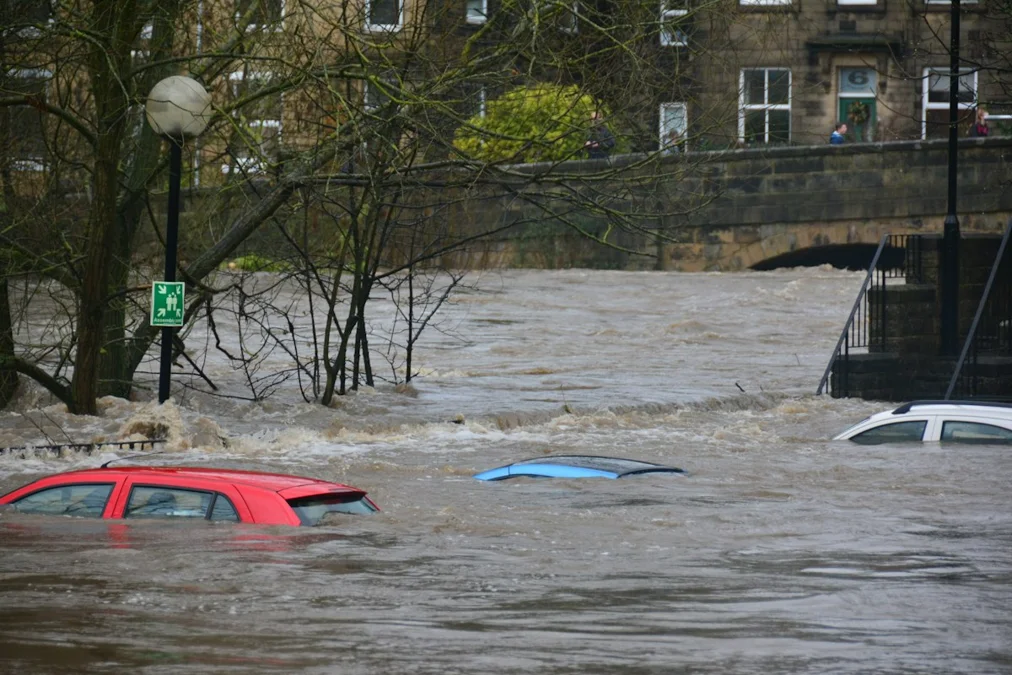
The formal operationalization of the Loss and Damage Fund at COP28 and its subsequent institutionalization at COP29 was hailed as a historic victory for climate justice. Yet, as catastrophic cyclones, extreme sea-level surges, and prolonged droughts batter small island states and least-developed countries, the central question remains: is pledged money actually reaching frontline communities?
Distinguishing Loss and Damage from Mitigation and Adaptation
Climate finance has historically been divided into mitigation (preventing future emissions) and adaptation (building seawalls or drought-resilient agriculture to withstand gradual change). Loss and damage represents the third pillar: addressing irreversible economic and non-economic destruction that occurs when climate impacts exceed human and ecological adaptive capacity. Economic losses encompass destroyed roads, collapsed power grids, and washed-away homes, while non-economic loss spans lost cultural heritage, submerged ancestral territory, biodiversity extinction, and human mortality.
Tracking the Numbers: Pledges versus Real Capital Disbursements
Initial capitalization pledges announced by developed economies—including the European Union, Germany, the UAE, the UK, and the United States—totaled approximately $700 million to $800 million. While politically significant, this figure pales in comparison to independent economic assessments published by the V20 group of vulnerable nations, which estimate economic climate damages in developing economies already exceed $400 billion to $500 billion annually. Furthermore, legal delays surrounding the World Bank's interim host trusteeship have caused bureaucratic friction, slowing direct disbursements to sovereign frontline applicants.
Direct Access Barriers and Debt Crisis Traps
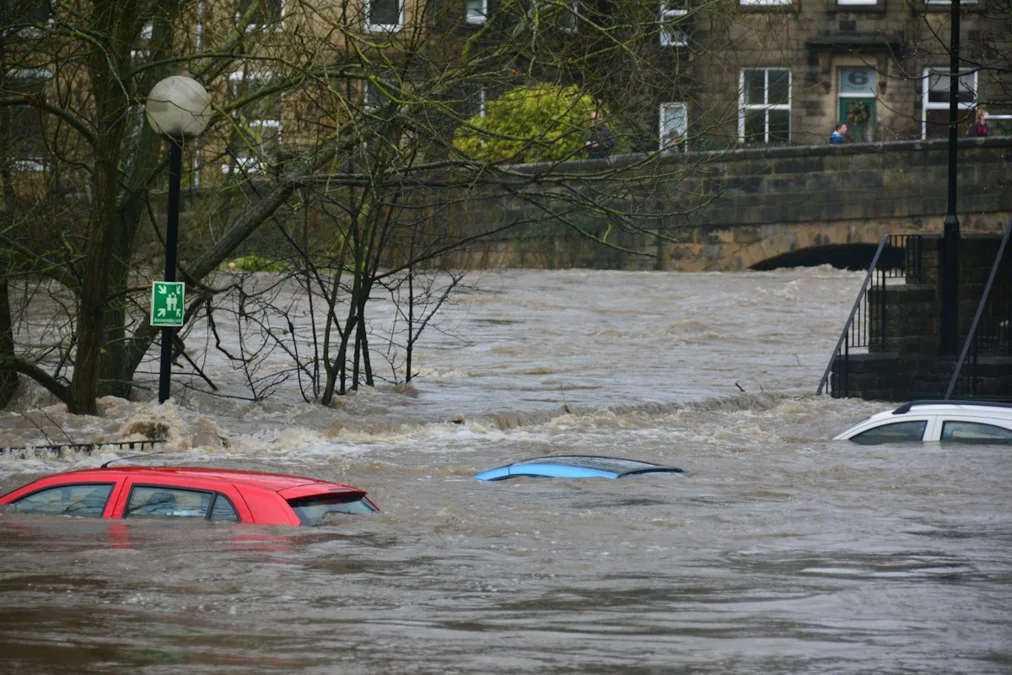
A primary grievance voiced by vulnerable nations—including Pacific atoll states, Caribbean nations, and sub-Saharan countries—is the onerous bureaucratic accreditation process required to access international funds. Frontline nations facing immediate cyclone recovery cannot wait two to three years for multi-lateral development bank review boards. Crucially, civil society and climate justice coalitions demand that loss-and-damage finance must be delivered entirely as non-repayable grants, rather than debt-creating loans that compound existing sovereign debt crises.
Innovative Levies: Carbon Taxes on Fossil Fuels and Maritime Shipping
Because voluntary national budgetary contributions from developed countries remain chronically insufficient, international negotiators are mobilizing innovative non-budgetary funding mechanisms. Leading proposals include global windfall windfall levies on fossil fuel extraction profits, international maritime emissions bunker taxes under the IMO, and small surcharges on frequent commercial aviation. Channeling these levies into the Fund could sustainably deliver $50 billion to $100 billion in predictable annual capital.
Frequently Asked Questions
What is the climate loss and damage fund?
The Loss and Damage Fund is a dedicated United Nations financial mechanism created to assist vulnerable developing nations in recovering from irreversible climate disasters and slow-onset sea-level rise.
Which countries can receive climate compensation?
Developing countries that are particularly vulnerable to the adverse effects of climate change, notably Small Island Developing States (SIDS) and Least Developed Countries (LDCs).
How much money has been pledged?
Between $700 million and $800 million was pledged in initial startup capitalization between COP28 and COP29, with ongoing negotiations targeting billions in scaled revenue.
What is the difference between climate adaptation and loss and damage?
Adaptation involves proactive measures taken before a disaster to reduce risk (e.g. seawalls), whereas loss and damage compensates and rebuilds after adaptive limits have failed.
Who manages international climate finance?
The Loss and Damage Fund operates under an independent governing board with the World Bank serving as the interim trustee under strict UNFCCC accountability mandates.