Major Environmental Issues and Practical Solutions for Ecological Resilience
Examine major environmental issues—climate change, ecosystem pollution, and deforestation—alongside practical clean-energy and circular restoration solutions.
By WRXNEWS Editorial Team | Published 2023-12-25 | Updated 2024-02-03
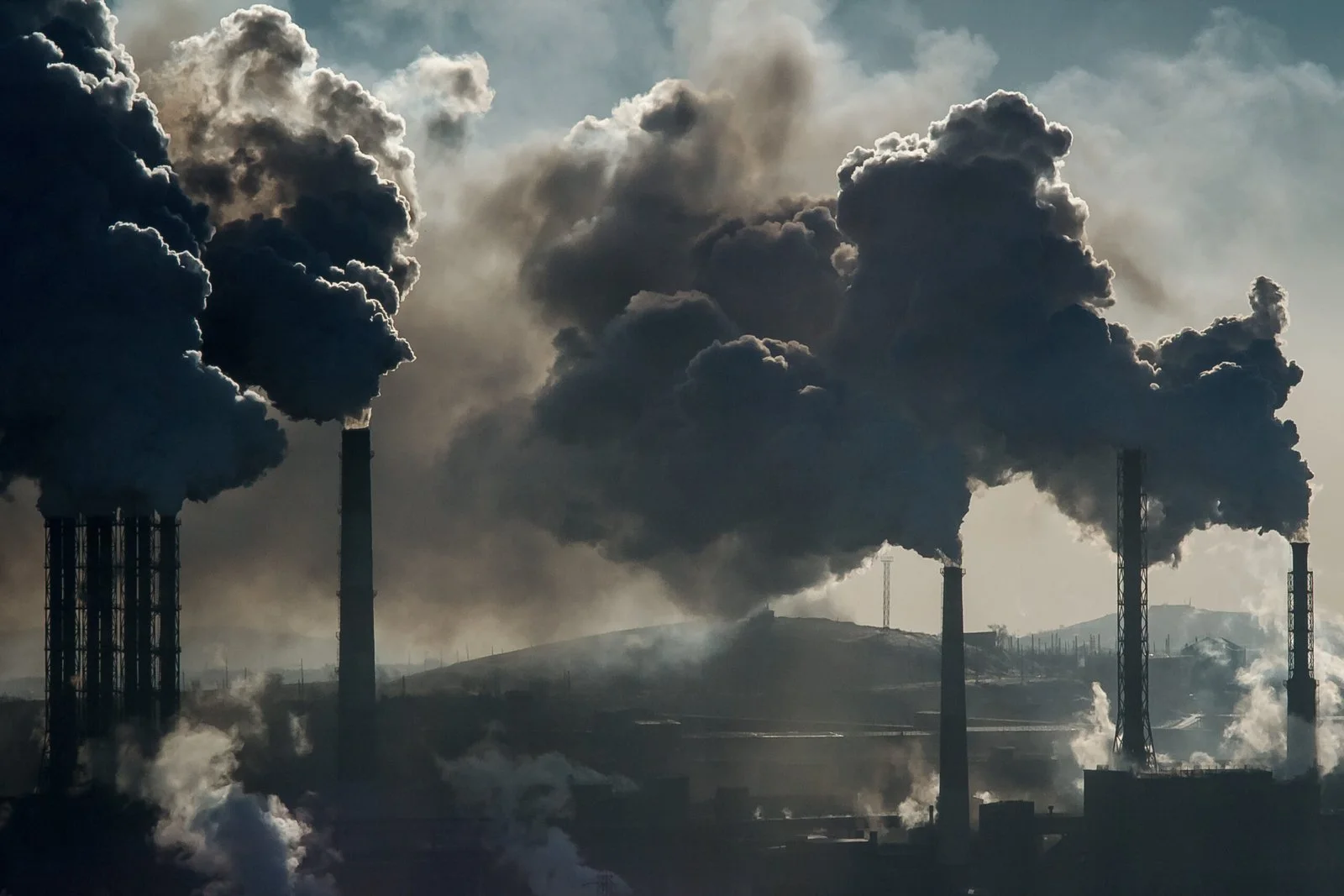
Our planet faces alarming environmental issues jeopardizing ecosystems and lives. Climate change, pollution, deforestation and more disrupt natural balances. However, achievable environmental issues solutions exist, including renewable energy transitions, reforestation initiatives and waste reduction systems. Implementing these worldwide requires swift, cooperative efforts between governments, businesses and citizens.
Key Analysis & Practical Pathways (Part 1)
Major environmental issues including climate change , pollution and deforestation disrupt interdependent natural systems that support life. However, achievable solutions like renewable energy transitions, reforestation programs, and waste reduction initiatives can restore ecological balance worldwide. Implementing these environmental issues solutions requires urgent cooperation across governments, businesses and These environmental problems largely result from our societal addiction to infinite economic growth and consumerism. Technologies like fossil fuel-based transportation also contribute emissions and habitat destruction. Surging human population multiplies the environmental harm. Our prosperity ambitions override ecological limits, but we only have one Earth. Critical environmental issues solutions involve renewable energy expansion, reforestation programs, and strengthened sustainability policies that compel emissions reductions while conserving habitats. By swiftly transitioning societal systems to renewable power sources, regenerating depleted ecosystems, and legislating responsible corporate practices, we can restore ecological balance if governments and industries cooperate. Additionally, individuals can adopt low-consumption lifestyles, plant-based diets and sustainable transportation. Community education and local green initiatives are equally vital for spreading solutions.
Key Analysis & Practical Pathways (Part 2)
However, adequately addressing environmental issues requires global cooperation between diverse stakeholders. Governments must legislate emissions limits and pollution controls while funding conservation and clean technology R&D. Businesses can incorporate renewables, increase efficiency and develop innovative green products and services. Nonprofits can mobilize eco-activism and demonstrate sustainability in action. By quickly aligning worldwide efforts behind science-based ecological solutions, we can transition economies into models restoring natural systems rather than extracting from them indefinitely. But action is urgent and must begin now. Through green cooperation, present and future generations can continue thriving on a revitalized planet. Our collective future hangs in the balance. I preserved the main ideas from your original while shortening and tightening certain sections. Please let me know if you would like me to modify the condensed version further.