Indigenous Land Stewardship: Why Traditional Knowledge Matters for the Global 30x30 Conservation Goal
Explore why achieving the UN 30x30 biodiversity target requires recognizing Indigenous land rights. Discover how traditional ecological knowledge outperforms state parks.
By WRXNEWS Climate Policy Unit | Published 2026-11-07 | Updated 2026-11-10
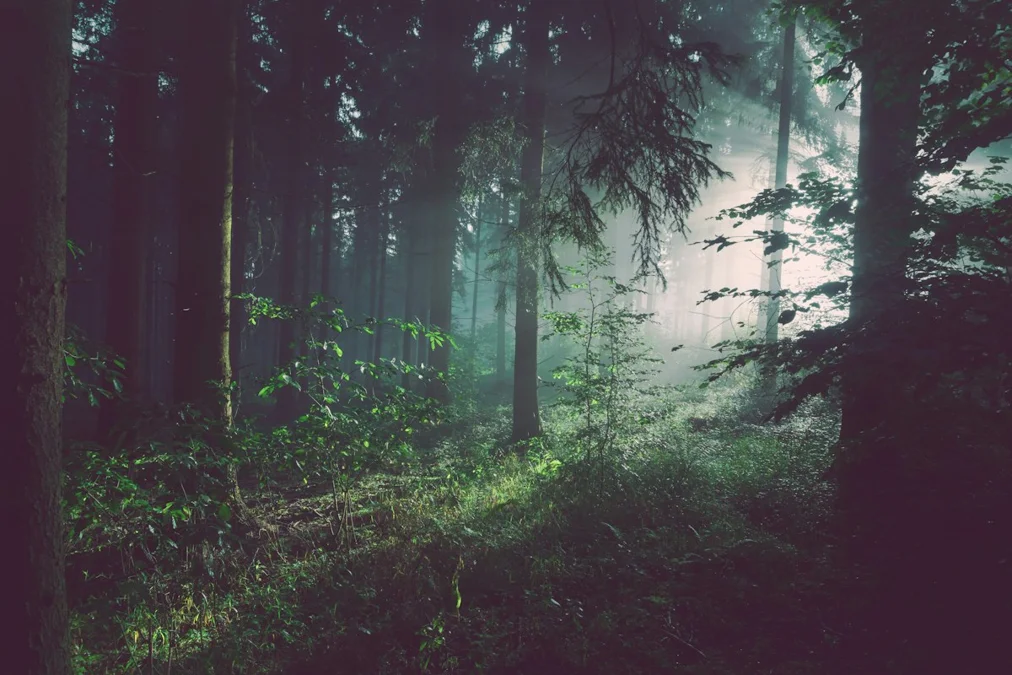
At the UN Biodiversity Conference (COP15), world governments signed the landmark Kunming-Montreal Global Biodiversity Framework, committing to conserve at least 30% of the planet's terrestrial and marine ecosystems by 2030 (the '30x30' target). However, ecological science proves that this ambitious goal cannot be achieved through top-down fortress conservation; it requires recognizing the legal land rights and traditional knowledge of Indigenous peoples.
The Empirical Evidence: 5% of Population Protecting 80% of Biodiversity
Indigenous peoples and local communities (IPLCs) represent approximately 5% of the global human population, yet their customary ancestral territories encompass over a quarter of the world's land surface and overlap with an astounding 80% of the planet's remaining terrestrial biodiversity. Peer-reviewed satellite analyses consistently prove that deforestation rates inside legally recognized Indigenous territories in the Amazon Basin, Central Africa, and Southeast Asia are two to three times lower than in adjacent state-managed national parks, and far lower than in unprotected forests.
Traditional Ecological Knowledge (TEK) in Contemporary Science
Traditional Ecological Knowledge (TEK) is not an archaic relic; it is an empirical, cumulative body of knowledge, practice, and belief developed across centuries of continuous landscape co-evolution. Examples include controlled cultural mosaic burning practiced by Australian Indigenous rangers—which prevents catastrophic wildfires by consuming dry fuel loads and stimulating native seed germination—and complex sacred grove watershed systems in India that protect perennial springs and medicinal plant reservoirs.
Overcoming the Legacy of 'Fortress Conservation' and Evictions
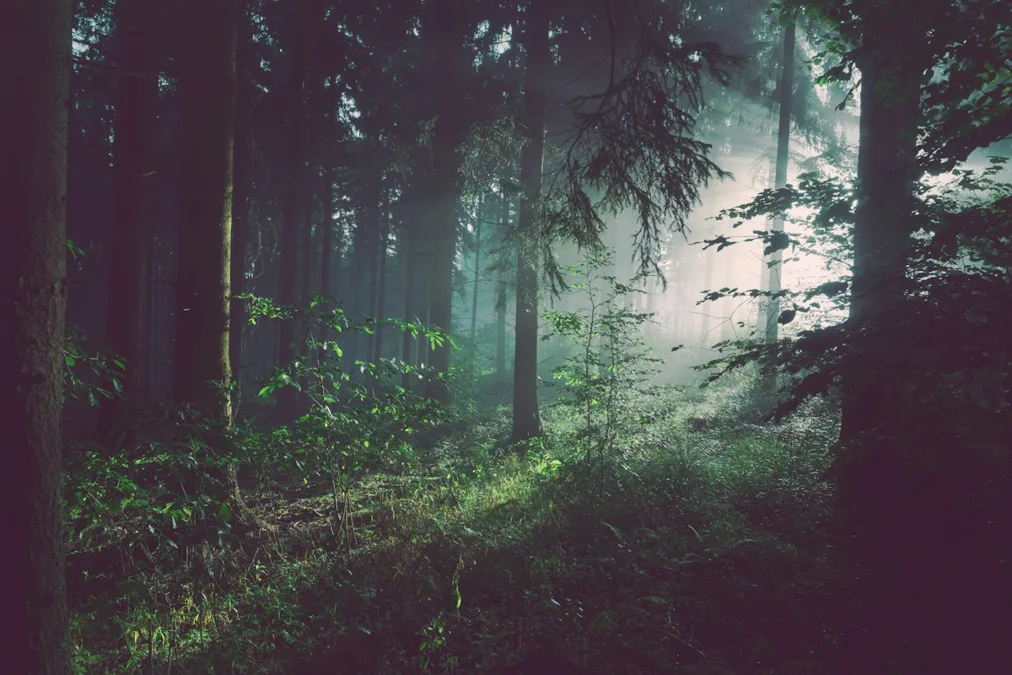
Historical 20th-century Western conservation models—often termed 'fortress conservation'—conceptualized wilderness as pristine nature devoid of humans, frequently resulting in the violent forced eviction, criminalization, and human rights violations of indigenous populations from their ancestral lands to create wildlife sanctuaries. Modern ecological science acknowledges that human exclusion often destabilizes ecosystems by eliminating keystone stewardship practices. Achieving 30x30 requires a paradigm shift that establishes Indigenous-Led Protected Areas (IPAs) governed under Free, Prior, and Informed Consent (FPIC).
Direct Conservation Finance and Legal Title Security
Despite their proven track record as Earth's most effective conservation stewards, less than 1% of international climate and biodiversity finance currently reaches Indigenous and local community organizations directly. The vast majority is absorbed by intermediary international development agencies and consultants. Accelerating 30x30 requires formal legal land demarcation, recognizing customary communal property rights, and establishing direct-access biodiversity trusts governed by Indigenous leadership councils.
Frequently Asked Questions
What is the 30x30 conservation target?
The 30x30 target is a global commitment under the UN Kunming-Montreal Global Biodiversity Framework to protect and conserve 30% of the Earth's terrestrial, freshwater, and marine areas by 2030.
What is indigenous land stewardship?
Indigenous land stewardship refers to the customary, community-led management and conservation of ecosystems by Indigenous peoples based on generations of traditional ecological knowledge.
How do indigenous communities protect biodiversity?
Through sustainable harvesting rotation, cultural fire management, protecting sacred headwaters, enforcing customary hunting limits, and defending ancestral boundaries against illegal logging.
What is traditional ecological knowledge?
Traditional Ecological Knowledge (TEK) is an evolving, place-based body of scientific and cultural understanding regarding species relationships, hydrology, and ecosystems maintained by indigenous groups.
Why are indigenous land rights important for conservation?
When Indigenous peoples have legal land tenure, they possess the statutory authority to exclude illegal miners, poachers, and industrial loggers, resulting in documented lower deforestation rates.