Tire Wear Pollution: How 6PPD-Quinone Is Threatening Aquatic Ecosystems
Uncover the science of tire wear particles and 6PPD-quinone. Learn how chemical stormwater runoff poisons urban streams, kills salmon, and demands bio-filtration.
By WRXNEWS Research Team | Published 2026-11-05 | Updated 2026-11-10
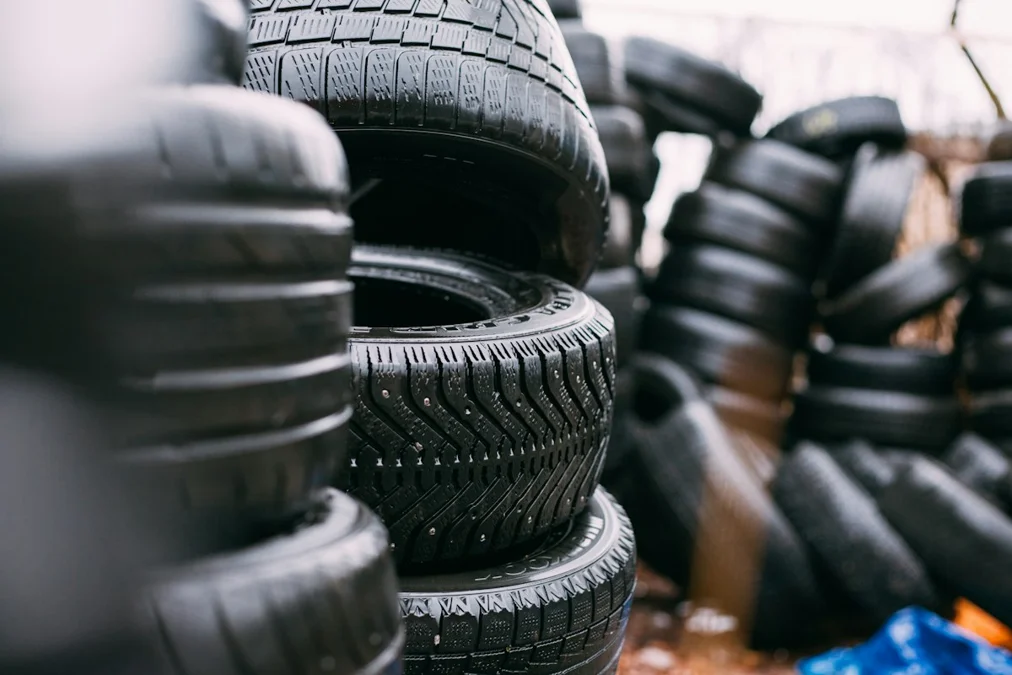
For decades, automotive environmental discourse focused almost exclusively on tailpipe exhaust emissions. Yet, as vehicle weights increase due to heavy battery packs and consumer SUV preferences, friction between vehicle tires and road surfaces generates millions of metric tons of toxic tire wear particles. At the heart of this aquatic ecological crisis is a single chemical: 6PPD-quinone.
From Rubber Preservative to Lethal Toxin: The 6PPD Ozone Transformation
To prevent rubber tires from oxidizing, cracking, and suffering blowouts under thermal and physical stress, tire manufacturers have for decades incorporated a specialized phenylenediamine compound called 6PPD (N-(1,3-dimethylbutyl)-N'-phenyl-p-phenylenediamine). When 6PPD migrates to the tire tread surface, it sacrifices itself by reacting with atmospheric ozone (O3), protecting the rubber polymer matrix. However, this chemical oxidation transforms 6PPD into an entirely new transformation byproduct: 6PPD-quinone (6PPD-q)—a molecule that scientists discovered is acutely lethal to aquatic life at microgram-per-liter concentrations.
The Salmon Die-Off Mystery and Acute Aquatic Neurotoxicity
For over two decades, wildlife biologists in the Pacific Northwest observed mysterious mass mortality events termed 'urban runoff mortality syndrome,' where up to 90% of adult coho salmon returning to urbanized creeks died within hours of entering stormwater-affected streams before spawning. In 2020, researchers at the University of Washington identified 6PPD-quinone as the culprit. The chemical crosses fish gill barriers, disrupts cellular mitochondrial respiration and blood-brain barrier permeability, causing rapid disequilibrium, asphyxiation, and death. Subsequent studies have confirmed toxic sensitivity across other freshwater species, including brook trout, rainbow trout, and selected macro-invertebrates.
The Massive Volume of Tire Wear: Microplastics of the Roadway
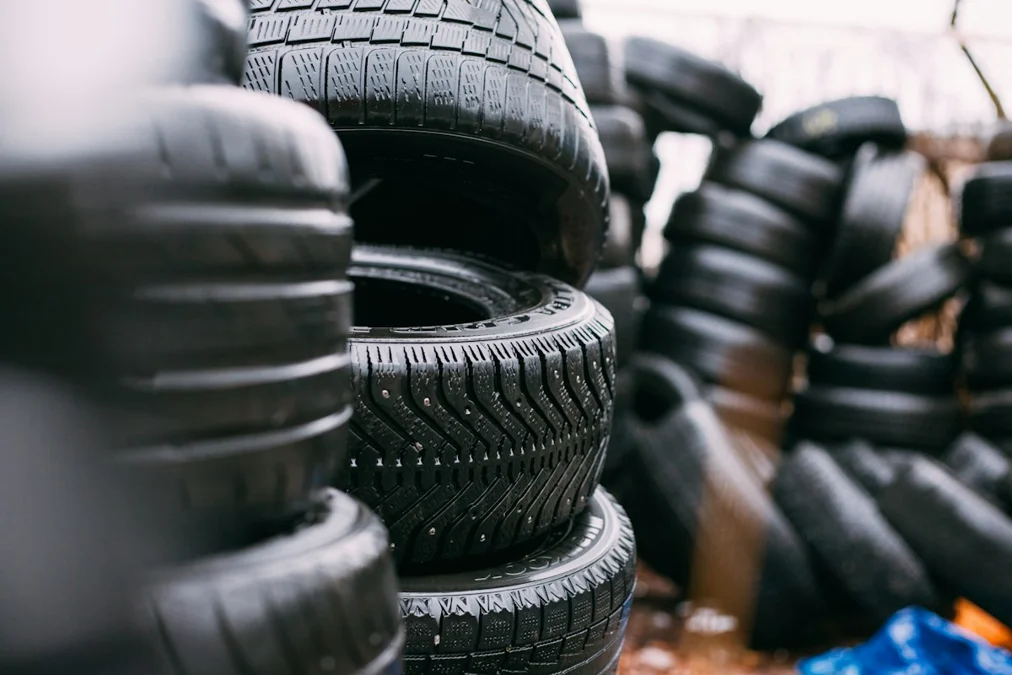
Tire wear particles (TWPs) are not purely synthetic plastic; they are complex hybrid composites of natural rubber, synthetic polybutadiene, carbon black filler, silica, heavy metals (notably zinc), and chemical curing agents. Globally, tire abrasion generates roughly 6 million metric tons of particulate debris annually, representing an estimated 28% to 35% of all primary microplastics entering marine oceans and freshwater river basins. Heavier electric vehicles exacerbate tread abrasion, shedding particles at higher rates during rapid torque acceleration.
Remediation Engineering: Bioswales, Filtration, and Tire Chemistry Overhauls
Mitigating tire wear pollution requires interventions across stormwater engineering and polymer chemistry. Retrofitting urban highway drainage with roadside bioretention bioswales and compost-amended biofiltration cells removes up to 90% of 6PPD-quinone before runoff reaches salmon-bearing streams. Simultaneously, chemical regulators—led by California's Department of Toxic Substances Control (DTSC)—are mandating that global tire manufacturers identify and transition to non-toxic chemical antioxidant alternatives.
Frequently Asked Questions
What is 6PPD-quinone?
6PPD-quinone is a toxic chemical compound formed when 6PPD, an antioxidant preservative added to vehicle tires, reacts with ground-level ozone and washes off roadways during rain.
How do car tires pollute waterways?
Friction between tires and asphalt grinds rubber into microscopic tire wear particles that accumulate on road surfaces and wash directly into creeks, rivers, and storm drains during rainstorms.
Why is 6PPD-quinone harmful to fish?
It damages blood-brain barrier permeability and disrupts cellular energy metabolism, causing rapid neurological distress, loss of orientation, and asphyxiation in sensitive salmonids.
Are tire wear particles microplastics?
Yes, environmental regulatory bodies classify synthetic rubber tire wear particles as one of the largest single sources of microplastic pollution globally.
How can tire pollution be reduced?
By installing roadside bioswales and stormwater biofilters, reformulating tires with non-toxic bio-based antioxidants, and adopting regenerative driving habits.