Vehicle-to-Grid (V2G) Explained: How Electric Cars Could Become Mobile Power Stations
Understand bidirectional charging and V2G technology. Discover how millions of connected EV batteries can balance renewable grids, shave peak power, and earn revenue.
By WRXNEWS Energy & Clean Tech Desk | Published 2026-11-01 | Updated 2026-11-10
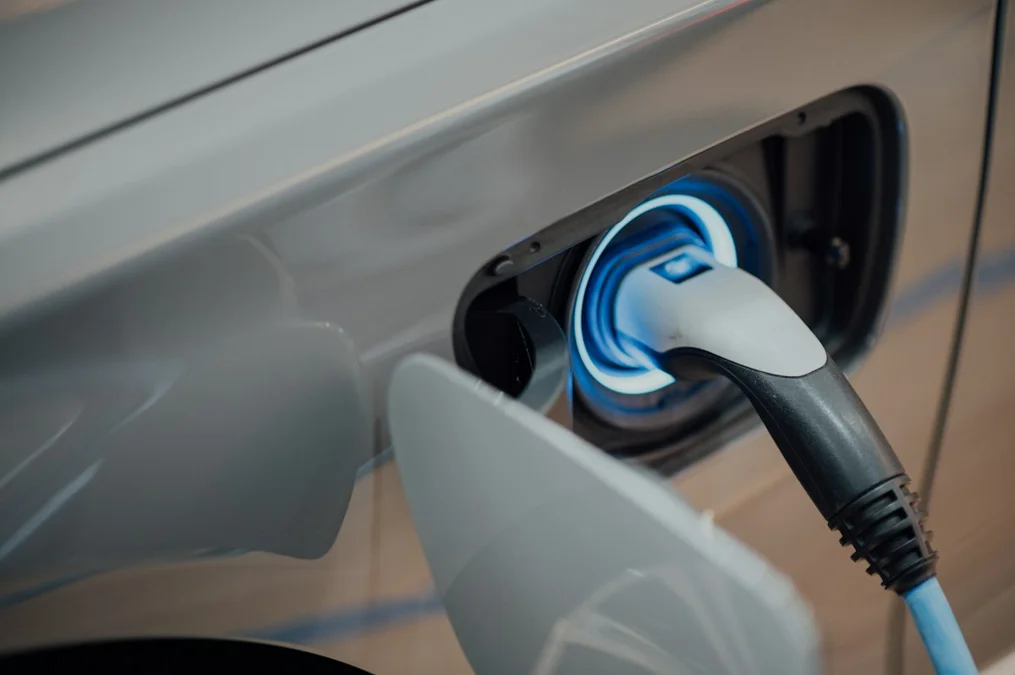
The worldwide fleet of passenger electric vehicles already represents hundreds of gigawatt-hours of decentralized electrochemical storage capacity, parked idle for more than 90% of an average day. Vehicle-to-Grid (V2G) technology transforms these dormant assets into dynamic distributed power stations capable of feeding electricity back into transmission networks during peak demand.
How Bidirectional Charging Works: Hardware, Inverters, and Standards
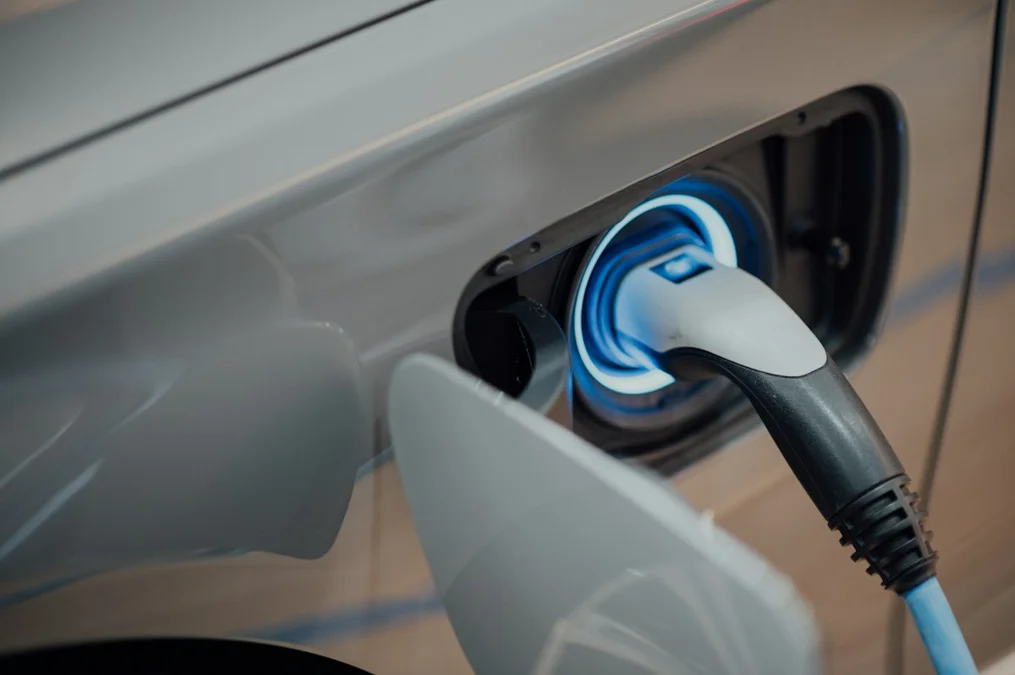
Conventional unidirectional EV chargers convert alternating current (AC) from the grid into direct current (DC) stored within the vehicle's lithium-ion battery pack. Bidirectional V2G systems incorporate dual-direction inverters and communication chipsets that allow electricity to flow back out of the battery pack. Under international communication protocols such as ISO 15118-20 and Open Charge Point Protocol (OCPP), the vehicle, charger, and utility aggregate software negotiate instantaneous power transfers based on real-time grid frequency, marginal electricity prices, and driver-designated minimum state-of-charge (SoC) parameters.
Decoding the Ecosystem: V2G, V2H, and V2L Distinctions
The vehicle-to-everything (V2X) umbrella encompasses three distinct operational tiers. Vehicle-to-Load (V2L) is the simplest, allowing users to plug 120V/240V power tools, appliances, or camping gear directly into an auxiliary socket on the car. Vehicle-to-Home (V2H) is an islandable microgrid solution where the vehicle supplies backup electricity directly to an individual residence during blackouts or discharges during peak tariff hours to lower utility bills. True Vehicle-to-Grid (V2G) represents a grid-synchronized utility service where thousands of aggregated vehicles inject power directly into high-voltage distribution networks to provide frequency regulation and peak shaving.
Addressing Battery Degradation and Warranty Safeguards
The foremost consumer concern regarding V2G participation is accelerated battery degradation caused by frequent micro-cycling. However, comprehensive empirical research from laboratories such as NREL and Warwick University reveals that controlled, shallow V2G cycling within optimal state-of-charge windows (between 40% and 75%) causes negligible additional calendar aging. In fact, smart discharging during hot afternoons can prevent batteries from resting at 100% SoC under high ambient temperatures—a leading driver of chemical degradation. Automotive OEMs are now updating factory battery warranties to explicitly permit certified V2G algorithms.
Fleet Aggregation and Monetization Potential by 2030
The true economic power of V2G emerges through virtual power plant (VPP) software that aggregates commercial EV fleets, such as municipal school buses, delivery vans, and corporate commuter fleets. School buses are textbook V2G candidates: they possess massive 150–220 kWh battery packs, operate on fixed schedules, and sit parked during summer afternoons when electricity demand hits annual peaks. In pilot programs across the UK, California, and Scandinavia, V2G-enabled fleets generate between $800 and $1,800 in annual grid-balancing revenue per vehicle.
Frequently Asked Questions
What is V2G charging?
Vehicle-to-Grid (V2G) charging is bidirectional technology that allows electric vehicles to both draw electricity from the grid and discharge stored battery power back into the grid to balance supply and demand.
Can an electric car supply electricity to the grid?
Yes, provided the vehicle is equipped with bidirectional charging hardware, connected to a compatible V2G charger, and governed by utility interconnection agreements.
Does V2G damage EV batteries?
Modern smart V2G systems operate within shallow cycle thresholds that avoid high-degradation extremes, causing minimal impact on overall battery lifespan.
What is the difference between V2G and V2H?
V2H (Vehicle-to-Home) routes battery power exclusively into an individual home to reduce bills or provide blackout backup, while V2G feeds power outward into the broader municipal electrical grid.
Can V2G reduce electricity bills?
Yes, drivers can charge during low-cost off-peak hours and sell energy back to utilities during peak pricing, earning credits or direct revenue.