E-Waste Urban Mining: How Discarded Electronics Can Recover Valuable Rare Earth and Critical Metals
Explore urban mining of electronic waste. Discover how recovering gold, copper, lithium, and rare earth elements from e-waste yields up to 50x higher ore grade than virgin mines.
By M. Khalif | Published 2026-11-06 | Updated 2026-11-10
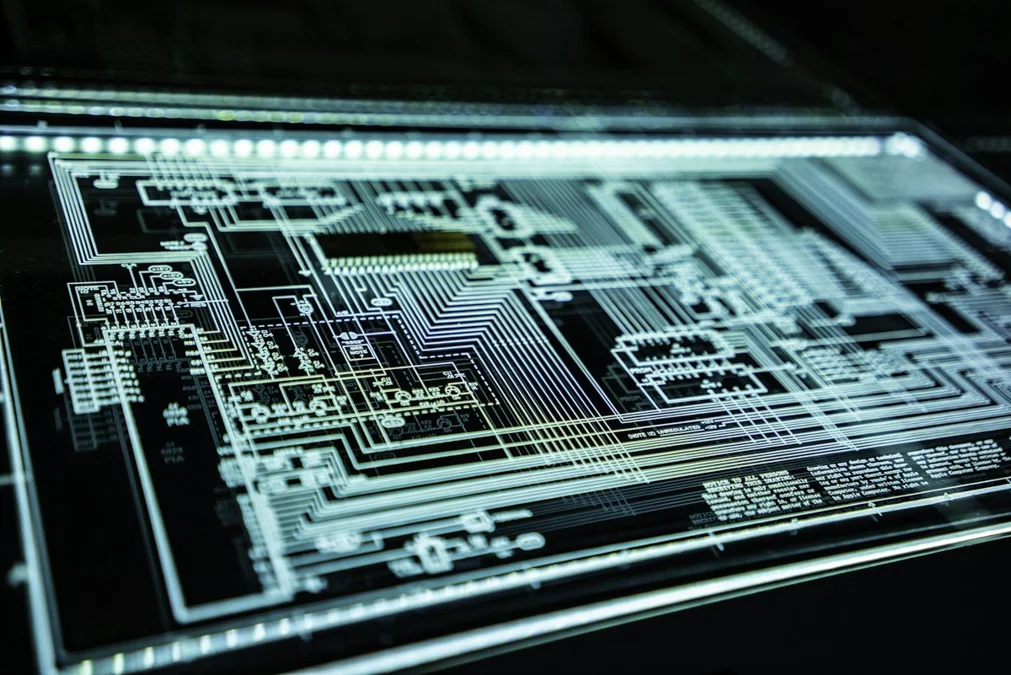
The global clean energy transition requires staggering quantities of critical minerals: copper for transmission grids, lithium and cobalt for batteries, and neodymium for wind turbine permanent magnets. Yet, while virgin mining destroys biodiverse ecosystems and produces mountains of toxic tailings, our cities harbor vastly richer deposits. Electronic waste represents an above-ground geological deposit where metal concentrations exceed natural ores by orders of magnitude.
The Ore Grade Advantage: Why Discarded Electronics Outperform Geological Mines
In conventional primary open-pit gold mining, extracting 1 to 5 grams of pure gold requires blasting and crushing an entire metric ton of low-grade rock. In contrast, one metric ton of discarded printed circuit boards (PCBs) harvested from end-of-life smartphones and computers contains between 150 and 350 grams of gold, alongside 1,000 grams of silver, 100 kilograms of copper, and substantial quantities of palladium and platinum. Urban mining is between 40 and 50 times richer in precious and critical metals per ton than virgin geological ore bodies, with a fraction of the carbon footprint.
Metallurgical Recovery: Pyrometallurgy vs Hydrometallurgy vs Bioleaching
Modern certified electronic recycling facilities employ advanced industrial separation processes. Traditional pyrometallurgy melts electronic scrap in high-temperature blast smelters (1,200°C), burning off plastics and recovering base metals into copper anode slimes; however, it consumes heavy thermal energy and loses volatile rare earths in slag. The industry is rapidly advancing hydrometallurgical leaching, using mild acids, thiosulfate, or deep eutectic green solvents to selectively dissolve target metals at room temperature with >95% purity. Emerging bioleaching harnesses specialized bacteria (such as Acidithiobacillus ferrooxidans) that naturally digest electronic scrap and solubilize copper and gold.
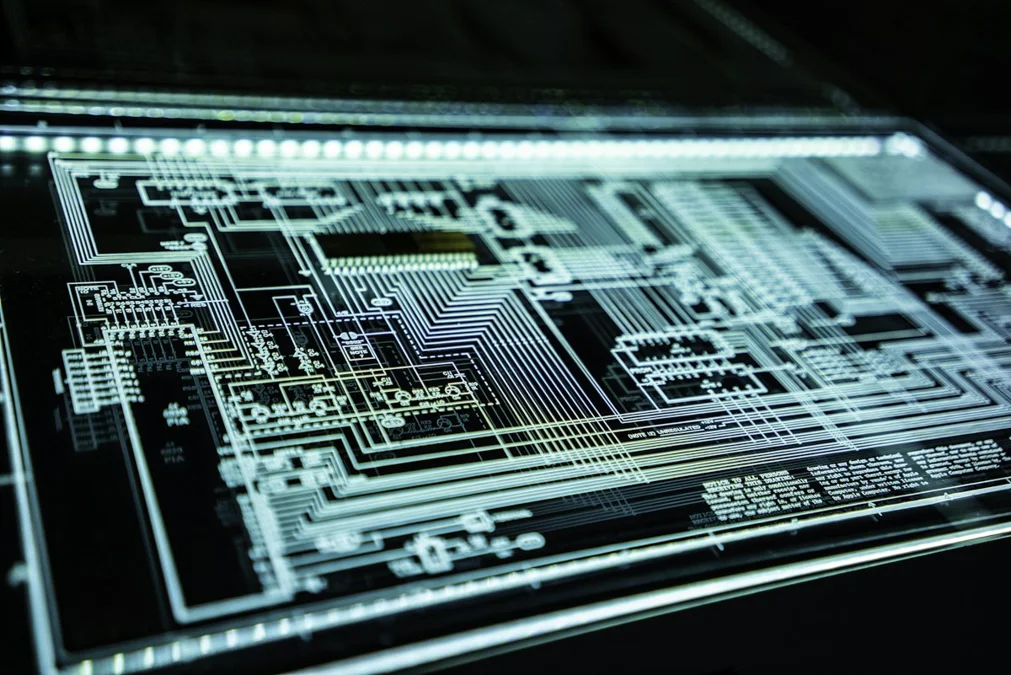
Critical Minerals and Rare Earth Elements: Neodymium and Lithium Closed Loops
Beyond gold and copper, urban mining is vital for securing national supply chains of critical rare earth elements (REEs). Neodymium-iron-boron (NdFeB) permanent magnets found in electric vehicle drive motors, wind turbine generators, and computer hard drives contain concentrated neodymium and dysprosium. Recycling these magnets via hydrogen decrepitation and chemical re-sintering uses 85% less energy than mining raw bastnäsite ores. In the battery sector, direct cathode-to-cathode hydrometallurgical recycling recovers battery-grade lithium carbonate, nickel, and cobalt from spent EV packs to build new batteries in a closed circular loop.
Formalization, Worker Safety, and Global Extended Producer Regulations
Over 75% of the world's 62 million tons of annual e-waste is managed in the informal sector across developing economies—such as Agbogbloshie in Ghana or informal workshops in India and Southeast Asia. Informal recycling relies on crude open-air wire burning and toxic cyanide acid baths, exposing workers and children to lethal lead, mercury, and dioxin poisoning. Transforming urban mining requires formalizing informal waste workers into licensed cooperative collection networks, implementing strict Extended Producer Responsibility (EPR) mandates, and investing in state-of-the-art regional hydrometallurgical recycling hubs.
Frequently Asked Questions
What is urban mining?
Urban mining is the process of reclaiming valuable raw materials, precious metals, and rare earth elements from discarded consumer electronics, appliances, and industrial buildings instead of mining natural geological ores.
Which metals can be recovered from e-waste?
Gold, silver, copper, platinum, palladium, lithium, cobalt, nickel, aluminum, and rare earth elements like neodymium and dysprosium.
Is electronic waste valuable?
Extremely valuable. The raw materials embedded in global e-waste generated each year are valued at over $62 billion, representing an immense above-ground resource.
How are rare earth metals recycled?
Magnets from hard drives and EV motors are shredded, treated with hydrogen gas (decrepitation) to separate the alloy into powder, and chemically re-sintered into new permanent magnets.
Why is responsible e-waste disposal important?
Informal e-waste burning releases toxic lead, mercury, and dioxins into surrounding air and water, while certified recycling safely reclaims critical minerals for clean technology.