Floating Solar Farms: How Floatovoltaics Generate Clean Energy and Save Water
Discover how floating solar arrays (floatovoltaics) conserve reservoir water, boost solar efficiency through natural cooling, and avoid land acquisition costs.
By WRXNEWS Energy & Clean Tech Desk | Published 2026-11-06 | Updated 2026-11-10
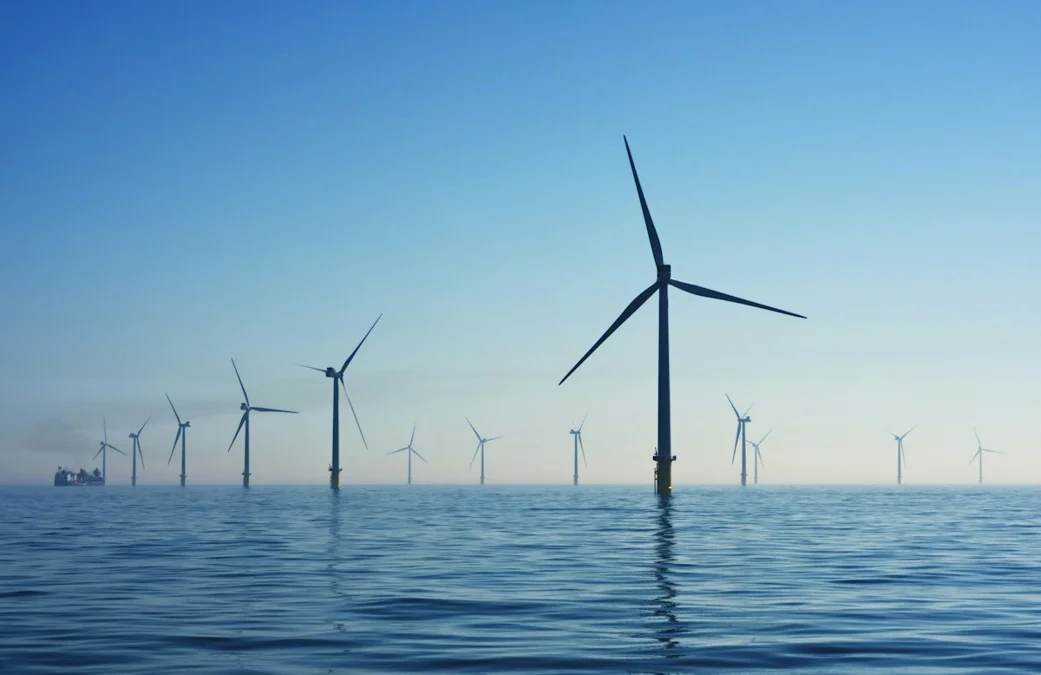
As land acquisition costs and environmental zoning constraints complicate ground-mounted solar development, floating photovoltaics (FPV)—popularly termed 'floatovoltaics'—have emerged as one of the fastest-growing clean energy sectors worldwide. By siting solar arrays directly atop man-made water bodies, developers avoid land disputes while generating substantial water-saving benefits.
Marine-Grade Engineering: Buoyant Floats, Mooring, and Inverter Siting
Floatovoltaic systems require specialized structural engineering to withstand dynamic hydrodynamic forces, wave motion, wind shear, and changing water levels. Arrays rest upon modular, recyclable High-Density Polyethylene (HDPE) pontoon floats designed with UV inhibitors to resist decades of solar exposure. Underwater elastic tethering and shore-anchored mooring systems accommodate multi-meter seasonal reservoir fluctuations without over-stressing electrical cabling. Marine-grade inverters and corrosion-resistant underwater junction boxes ensure rigorous electrical safety standards.
Dual Thermodynamic Benefits: Water Conservation and Higher Electrical Yield
The co-location of solar panels and aquatic reservoirs unlocks two major thermodynamic synergies. First, covering water surfaces shields reservoirs from direct solar radiation and wind friction, reducing evaporative water losses by up to 60% to 70%. In arid regions and municipal drinking reservoirs, this preserves millions of cubic meters of fresh water annually. Second, the natural evaporative cooling effect of the water beneath the modules lowers operating temperatures by 5°C to 12°C compared to terrestrial installations, mitigating silicon thermal efficiency loss and boosting net electricity yield by 5% to 15%.
Hydro-Solar Co-Location: Optimizing Transmission Infrastructure
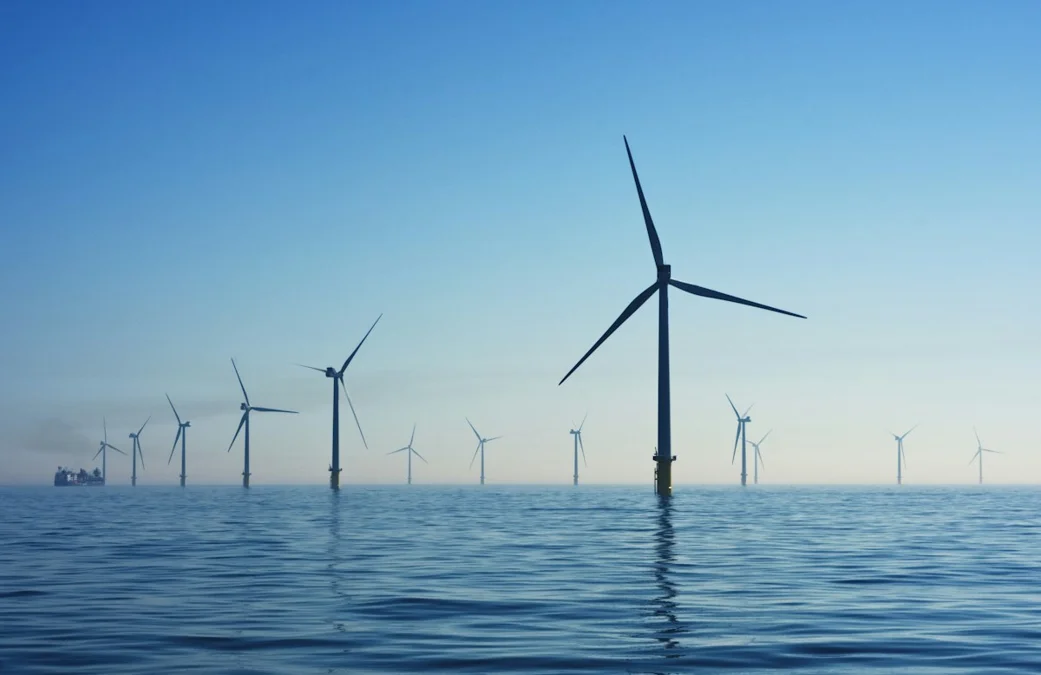
One of the most compelling applications for floating solar is co-location directly behind existing hydroelectric dams. Hydropower reservoirs already possess high-capacity transmission substations and grid interconnects that are frequently underutilized during daytime dry seasons. Siting floating solar on the dam reservoir creates a seamless hybrid generation asset: solar generates power during the sunny daytime, allowing dam operators to conserve water behind the penstocks and release it for hydro turbines during evening peaks and nighttime hours.
Limnological and Ecological Safeguards
Responsible floating solar development requires careful limnological impact assessments. While shading reservoirs suppresses harmful blue-green cyanobacteria algal blooms by restricting photosynthesis, covering too large a percentage of a natural lake surface can disrupt dissolved oxygen levels, light penetration for submerged macrophytes, and benthic invertebrate habitats. Industry best practices recommend limiting coverage to no more than 30% to 50% of the surface area on artificial reservoirs, quarry lakes, and industrial retention ponds.
Frequently Asked Questions
What is floating solar technology?
Floating solar (floatovoltaics) involves mounting photovoltaic panels onto specialized buoyant pontoons anchored on inland water bodies such as reservoirs, lakes, and industrial ponds.
Do floating solar panels reduce water evaporation?
Yes, by shading the water surface and reducing wind shear, floating solar arrays cut reservoir water evaporation by up to 60% to 70%.
Are floating solar panels more efficient?
Yes, the ambient cooling effect of the water lowers cell temperatures, resulting in 5% to 15% higher energy conversion efficiency than hot terrestrial installations.
Can solar panels be installed on drinking water reservoirs?
Yes, certified food-grade, non-leaching HDPE plastics ensure drinking water purity while reducing algae growth and treating water quality.
What are the disadvantages of floating solar farms?
Initial installation costs are roughly 10% to 20% higher due to specialized mooring equipment, and long-term maintenance requires marine-safe practices.