Local Climate Action: How Cities and Municipalities Are Leading the Green Transition
Explore how cities and local governments are bypassing national gridlock through municipal building codes, public transit electrification, urban cooling, and green bonds.
By WRXNEWS Climate Policy Unit | Published 2026-11-05 | Updated 2026-11-10
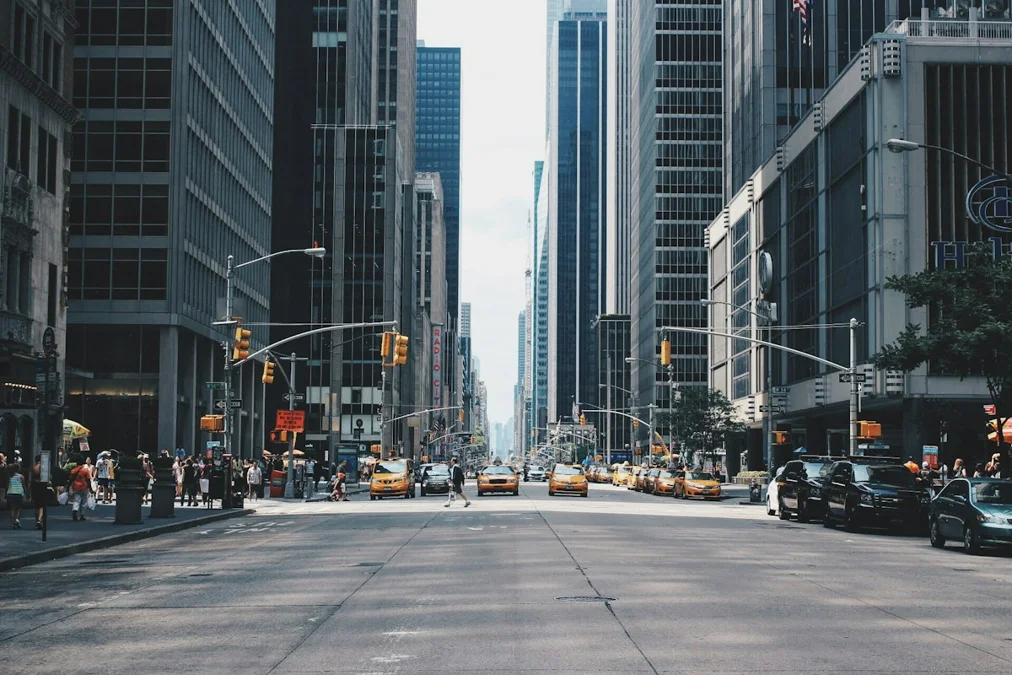
While national governments and geopolitical summits frequently stall in diplomatic stalemate, metropolitan cities and municipal governments are taking decisive climate action. Cities account for over 70% of global carbon emissions and consume two-thirds of worldwide energy, making municipal governance the primary frontline of decarbonization.
The Levers of Municipal Power: Building Codes, Zoning, and Procurement
Local city governments possess direct regulatory authority over the most carbon-intensive facets of daily life. Through municipal building energy codes, cities mandate rooftop solar readiness, ban fossil methane gas connections in new construction, and require strict insulation standards. Through urban zoning ordinances, municipalities eliminate minimum parking requirements, encourage transit-oriented high-density housing, and prioritize micro-mobility networks over personal automobile thoroughfares. Municipal green public procurement policies further accelerate local markets by purchasing electric bus fleets and low-carbon cement.
Urban Heat Island Mitigation and Sponge City Architecture
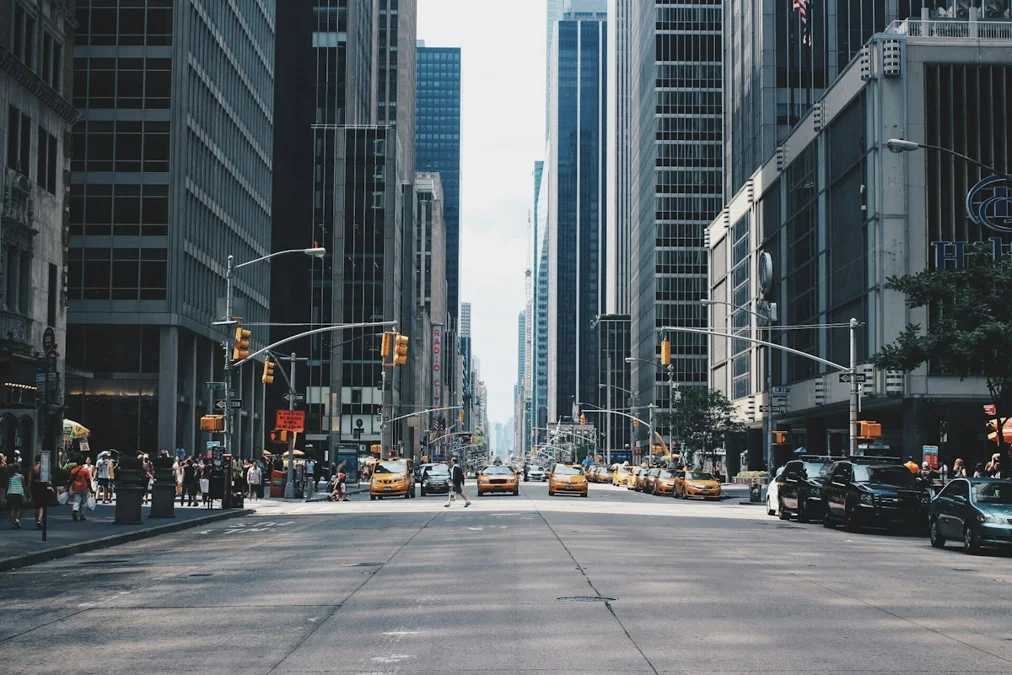
Dense urban environments suffer from the urban heat island (UHI) effect, where asphalt and concrete absorb solar radiation, driving city temperatures 4°C to 9°C higher than surrounding rural landscapes. Innovative municipal adaptation strategies focus on cool pavements, green vegetated roofs, and expanded urban tree canopies that provide natural shading and evaporative cooling. Pioneered in cities across China and Europe, the 'Sponge City' model replaces impermeable concrete with permeable pavers, rain gardens, and bioswales that absorb extreme storm runoff, recharging urban groundwater while preventing flash flooding.
Financing City Transition: Municipal Green Bonds and Carbon Budgets
A perennial barrier confronting local governments is capital access. Forward-thinking cities are deploying municipal green bonds—debt instruments certified by bodies like the Climate Bonds Initiative—to fund subway extensions, sewage treatment electrification, and LED streetlighting retrofits without waiting for federal grants. Cities like London, Oslo, and Ahmedabad are also implementing institutional 'Climate Budgets' where every municipal agency has a strict carbon expenditure ceiling alongside its financial budget.
Lessons for the Global South: Scaling Decentralized Urban Solutions
Rapidly urbanizing cities across the Global South face intense dual pressures: they must build infrastructure for millions of new residents while withstanding extreme heat and monsoonal deluges. In India, municipal heat action plans (such as Ahmedabad's pioneering Cool Roofs initiative) have proven that painting residential roofs with high-albedo solar reflective white coatings lowers indoor temperatures by 2°C to 5°C, saving lives during severe heatwaves at minimal cost.
Frequently Asked Questions
What is subnational climate action?
Subnational climate action refers to environmental policies, regulations, and decarbonization initiatives executed by local city councils, mayors, municipalities, and regional governments rather than national federal authorities.
How can cities reduce carbon emissions?
By electrifying public transit buses, enforcing net-zero building codes, mandating rooftop solar, expanding bike infrastructure, and operating circular waste composting facilities.
What is a city climate action plan?
A strategic roadmap adopted by a municipality outlining measurable emissions reduction targets, climate hazard risk assessments, and targeted infrastructure projects to achieve net zero.
How can municipalities finance climate projects?
Cities issue municipal green bonds, leverage public-private partnerships, implement climate-indexed property taxes, and access international green climate financing facilities.
What makes a city climate resilient?
Resilient cities feature robust decentralized power grids, extensive urban green tree canopy, permeable sponge drainage, cool reflective roofs, and early heat warning systems.