Plant-Based Milk Environmental Impact: Comparing Almond, Oat, Soy and Dairy Footprints
Compare the environmental footprints of almond, oat, soy, and dairy milk across greenhouse gas emissions, land use, and freshwater consumption using peer-reviewed LCA data.
By WRXNEWS Editorial Team | Published 2026-11-04 | Updated 2026-11-10
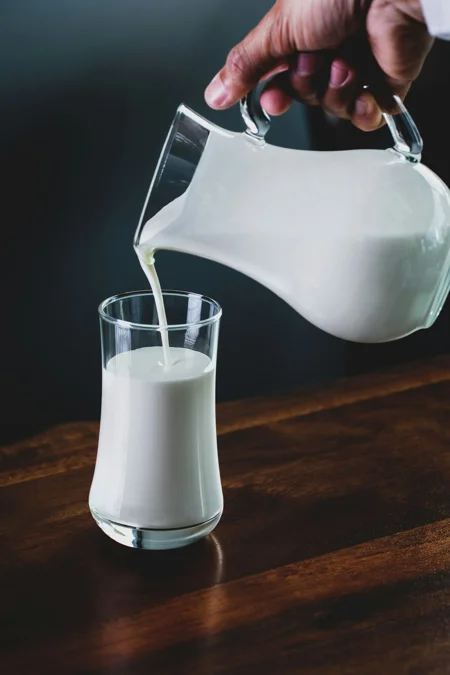
The explosion of plant-based milk alternatives—filling supermarket aisles with oat, almond, soy, pea, and coconut beverages—is often marketed as a clear-cut environmental win over cow's milk. While scientific life-cycle assessments (LCAs) universally confirm that all plant-based milks generate significantly lower greenhouse gas emissions than dairy, the environmental trade-offs between water consumption, land use, and pesticide intensity are nuanced.
The Dairy Benchmark: Enteric Methane and Land-Use Intensity
To evaluate plant-based alternatives, one must first examine the environmental footprint of conventional bovine dairy. Producing one liter of dairy milk generates roughly 3.0 to 3.2 kilograms of CO2-equivalent greenhouse gases—driven primarily by enteric methane fermentation in ruminant digestion and nitrous oxide from cattle manure management. Furthermore, dairy milk requires approximately 9 square meters of land per liter (for pasture grazing and feed crop cultivation like alfalfa and soy) and consumes over 628 liters of fresh water, making dairy the most resource-intensive beverage on all four primary environmental impact metrics.
Almond Milk: Low Carbon, but High Regional Water Stress
Almond milk produces very low greenhouse gas emissions (roughly 0.7 kg CO2e per liter) and requires minimal land. However, its primary environmental drawback is water consumption. Over 80% of the world's commercial almonds are grown in California's Central Valley, a region prone to severe, multi-year megadroughts. Producing a single liter of almond milk consumes approximately 370 to 385 liters of freshwater—substantially lower than dairy, but nearly eight times higher than soy or oat milk. In drought-stressed basins, heavy groundwater pumping for almond orchards depletes vital subterranean aquifers.
Oat and Soy Milk: The Optimal Ecological Balance
Oat and soy milk emerge from life-cycle assessments as the most environmentally balanced options. Oat milk generates only 0.9 kg of CO2e per liter and requires just 48 liters of water, while oats are typically grown as rotation crops in temperate climates (Northern Europe, Canada, the US Midwest) that rely predominantly on natural rainfall rather than artificial irrigation. Soy milk generates comparable low emissions (1.0 kg CO2e) and uses only 28 liters of water per liter. Crucially, soybeans are nitrogen-fixing legumes that enrich agricultural soil, reducing synthetic fertilizer requirements. While soy is frequently linked to Amazonian deforestation, over 80% of global soy is grown as animal feed for beef and pork, whereas food-grade soy milk is sourced primarily from regional non-deforestation supply chains.
Packaging, Fortification, and Consumer Decision Matrix
When evaluating consumer footprints, packaging and transportation must not be overlooked. Aseptic composite cartons (Tetra Paks) are lightweight and shelf-stable, reducing refrigerated shipping emissions, but require specialized recycling facilities to separate the fused polyethylene, paperboard, and aluminum foil layers. From a nutritional perspective, soy milk is the only plant alternative that naturally rivals dairy's protein density (7–8 grams per cup). For consumers seeking the lowest holistic environmental footprint, oat and sustainably sourced soy milk represent the premier choices.
Frequently Asked Questions
Which plant-based milk has the lowest carbon footprint?
Almond, oat, and soy milk all have very low carbon footprints (0.7 to 1.0 kg CO2e per liter), roughly one-third the emissions of conventional dairy milk (3.2 kg CO2e).
Is almond milk more sustainable than dairy milk?
Yes, almond milk uses less land and generates 75% fewer greenhouse emissions than dairy, although it consumes more irrigation water than oat or soy milk.
Which milk alternative uses the least water?
Soy milk and oat milk consume the least freshwater (roughly 28 to 48 liters per liter of milk), compared to 370+ liters for almond milk and 628+ liters for dairy.
Is oat milk environmentally friendly?
Yes, oat milk is widely considered among the most sustainable choices because oats are grown in cool climates using natural rainfall and require low land and water.
Does soy milk contribute to deforestation?
The vast majority of deforestation-linked soy is grown as livestock feed for the meat industry; most commercial soy milks are sourced from certified non-GMO, regional crops.