EU CBAM Explained: How Carbon Border Taxes Will Affect Global Exporters
A comprehensive guide to the EU Carbon Border Adjustment Mechanism (CBAM). Understand embedded emissions, compliance schedules, and the impact on steel and aluminum exporters.
By M. Khalif | Published 2026-11-03 | Updated 2026-11-10
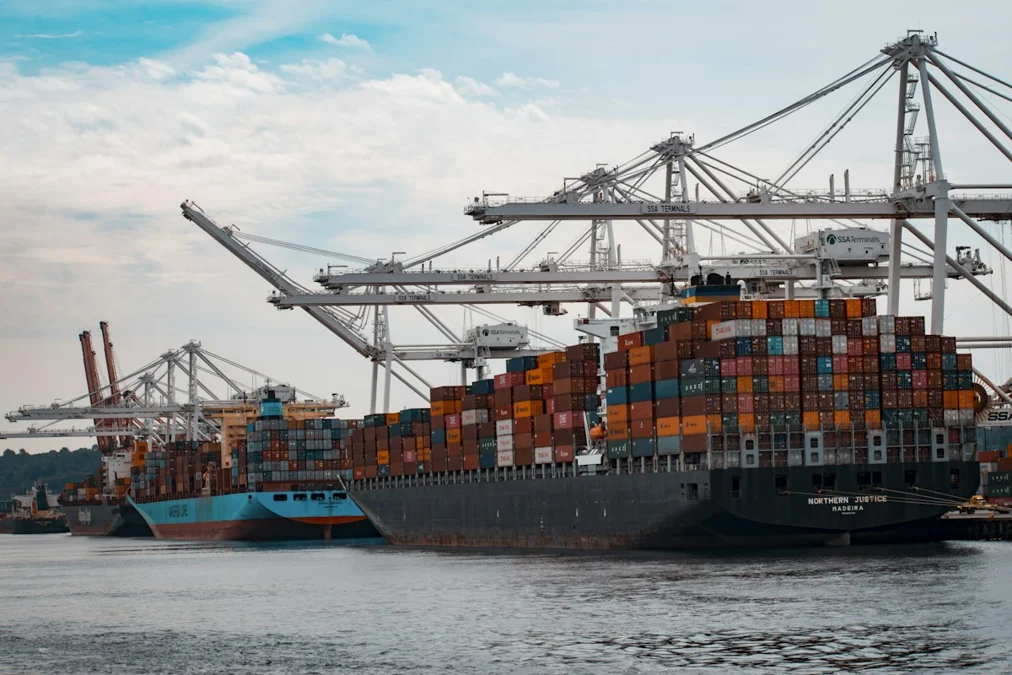
The European Union's Carbon Border Adjustment Mechanism (CBAM) marks the dawn of climate-oriented international trade policy. By equalizing the price of carbon paid by domestic European manufacturers under the EU Emissions Trading System (ETS) with the carbon embedded in imported industrial goods, CBAM prevents carbon leakage and fundamentally rewrites the economics of heavy manufacturing worldwide.
Scope and Implementation Timeline of the CBAM Regulation
CBAM applies to six energy-intensive, trade-exposed industrial sectors: steel, aluminum, cement, fertilizers, hydrogen, and electricity. Following a transitional reporting phase (October 2023 to December 2025) during which importers were required to track and disclose embedded greenhouse emissions without financial penalty, the definitive operational phase takes full effect on January 1, 2026. From this milestone, European importers must purchase and surrender CBAM certificates reflecting the weekly average auction price of EU ETS allowances for every ton of embedded CO2 emitted during manufacturing overseas.
Direct vs Indirect Embedded Emissions and Verification Protocols
Compliance necessitates granular carbon accounting adhering to European Commission methodologies. Exporters must account for direct emissions (Scope 1 emissions originating from blast furnaces, chemical reaction calcination, and fuel combustion) and, for select sectors such as cement and fertilizers, indirect emissions (Scope 2 electricity consumption during production). If an overseas factory cannot provide verified installation-specific emissions validated by an EU-accredited auditor, the EU customs authority imposes punitive default emissions factors based on the highest-polluting 10% of European domestic production.
Impact on Major Exporters: India, China, Turkey, and Developing Markets
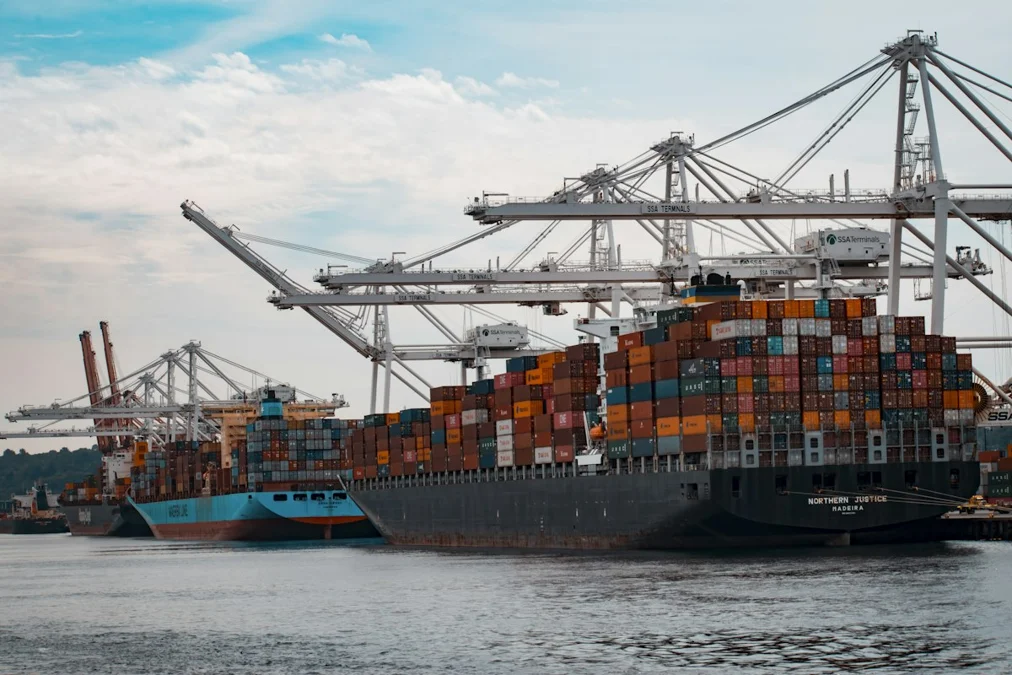
Exporters in countries that rely heavily on coal-dominated power grids face significant trade friction. In India, approximately 25% of steel and aluminum exports head to the European market; because average Indian steel production carries an emissions intensity of 2.5 to 2.8 tons of CO2 per ton of crude steel (compared to an EU average of 1.4 tCO2), CBAM tariffs could impose tariffs equivalent to 20% to 35% of product value. Exporters with access to renewable captive power, hydrogen reduction technologies, or electric arc furnaces running on clean electricity will gain a commanding competitive advantage.
Strategic Exporter Compliance Checklist
To safeguard European market share, global industrial producers must execute a four-point compliance roadmap: (1) Deploy facility-level primary metering rather than relying on regional averages; (2) Transition energy-intensive finishing operations to renewable Power Purchase Agreements (PPAs); (3) Audit and verify product carbon footprints with ISO 14064 accredited bodies; and (4) Lobby national governments to implement recognized domestic carbon pricing mechanisms, which qualify for direct deduction from final EU CBAM certificate fees.
Frequently Asked Questions
What is the EU CBAM regulation?
The Carbon Border Adjustment Mechanism (CBAM) is an EU climate regulation that places a carbon price on imports of carbon-intensive goods to mirror the emissions costs paid by EU domestic manufacturers.
Which products are covered under CBAM?
CBAM initially covers six sectors: iron and steel, aluminum, cement, fertilizers, hydrogen, and electricity, with potential expansion to organic chemicals and polymers by 2030.
Does CBAM affect Indian exporters?
Yes, heavily. India exports billions of dollars in steel and aluminum to the EU annually, and products with high coal-based embedded emissions will face substantial CBAM certificate costs.
How are embedded carbon emissions calculated?
They are calculated by measuring the direct Scope 1 production emissions and indirect Scope 2 electricity emissions per unit mass of final product, verified by accredited environmental auditors.
How can manufacturers prepare for CBAM compliance?
Install certified emissions monitoring, contract renewable electricity via captive PPAs, reduce fossil process heat, and obtain accredited third-party verification reports.