Light Pollution at Night: How Artificial Lighting Disrupts Wildlife, Birds and Human Sleep
Explore how artificial light at night (ALAN) creates urban skyglow, causes migratory bird disorientation, disrupts nocturnal ecosystems, and suppresses human melatonin.
By WRXNEWS Climate Policy Unit | Published 2026-11-03 | Updated 2026-11-10
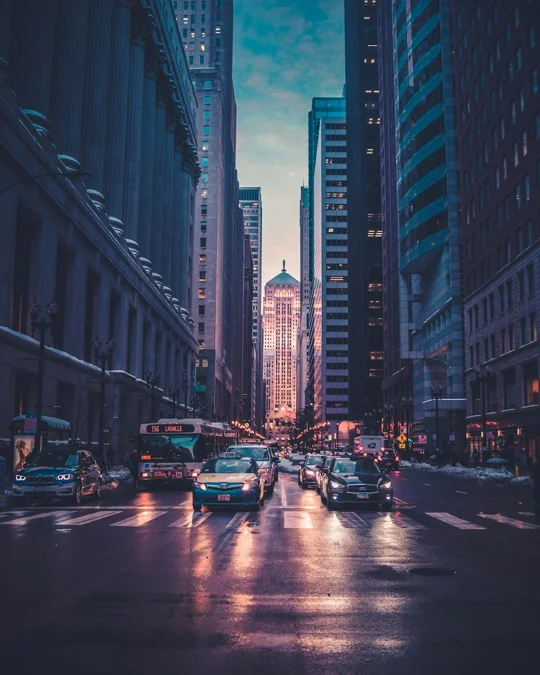
For over three billion years, terrestrial life evolved under the predictable rhythm of bright natural days and deep celestial nights. Over the past century, the explosive proliferation of Artificial Light at Night (ALAN) has eroded natural darkness across more than 80% of the world's population, creating widespread physiological disruption in humans and catastrophic disorientation in wildlife.
Understanding the Spectra: Skyglow, Glare, Trespass, and LED Blue Spike
Light pollution manifests in four distinct forms: (1) Urban Skyglow, the diffuse orange and white dome of light over cities caused by light scattering off atmospheric aerosols; (2) Glare, harsh unshielded light that impairs visual contrast; (3) Light Trespass, unwanted illumination shining across property lines into private bedrooms; and (4) Clutter, chaotic groupings of commercial signboards. The transition to high-efficiency white LEDs has paradoxically worsened ecological disruption due to a pronounced spectral spike in short-wavelength blue light (440–480 nm), which scatters most readily through the atmosphere.
Ecological Fallout: Fatal Bird Collisions and Insect Declines
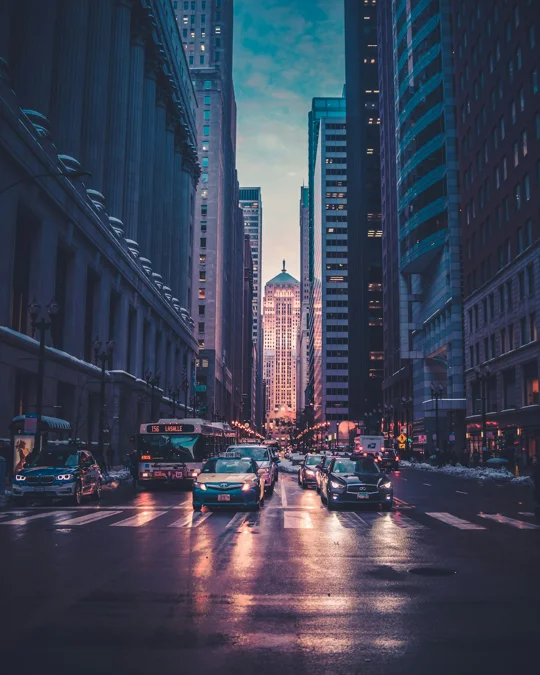
Nocturnal wildlife species suffer immense harm from artificial illumination. Over 80% of migratory bird species navigate at night utilizing celestial cues and Earth's geomagnetic field. Illuminated glass skyscrapers and bright searchlights lure migrating songbirds into metropolitan corridors, where they become disoriented, circle until exhaustion, or suffer fatal window collisions—killing hundreds of millions of birds annually in North America alone. For nocturnal insects, artificial lights act as fatal vacuum traps, exhausting pollinators and accelerating what entomologists describe as the global 'insect apocalypse.' Sea turtle hatchlings, guided naturally toward ocean horizons, crawl toward brightly lit coastal roadways and perish.
Human Circadian Disruption: Melatonin Suppression and Metabolic Toll
In human biology, specialized intrinsically photosensitive retinal ganglion cells (ipRGCs) detect blue-wavelength photons and synchronize the suprachiasmatic nucleus—the master circadian pacemaker in the brain. Exposure to nocturnal artificial light shuts down the nocturnal synthesis of melatonin, the neurohormone responsible for inducing restorative sleep and regulating DNA repair. Chronic circadian disruption is clinically correlated with increased incidences of insomnia, metabolic syndrome, obesity, depression, and elevated risks of hormone-dependent breast and prostate cancers.
Responsible Lighting Engineering: Shielding, CCT, and Dark-Sky Ordinances
Unlike chemical contamination, light pollution can be reversed at the flip of a switch. Leading dark-sky conservation policies recommend five fundamental principles: (1) Full Cutoff Shielding, ensuring zero light emits upward into the atmosphere; (2) Warmer Color Temperatures, restricting municipal streetlights to warm amber hues under 2,200K–2,700K; (3) Motion Sensors and Dimmers, reducing brightness during midnight hours; (4) Targeting light exclusively onto needed footpaths; and (5) Enacting municipal Dark Sky Reserve zoning laws that protect natural night skies around scientific observatories and national parks.
Frequently Asked Questions
What is light pollution?
Light pollution is the excessive, misdirected, or obtrusive use of artificial outdoor light at night, creating skyglow, glare, and ecological disruption.
Does artificial light affect migratory birds?
Yes, nocturnal migratory birds navigate by stars and moonlight; artificial city illumination disorients them, causing exhaustion and fatal window collisions.
Can light pollution disturb human sleep?
Yes, blue light exposure at night suppresses the brain's production of melatonin, disrupting deep REM sleep and natural circadian repair cycles.
What is skyglow?
Skyglow is the bright halo or dome seen over populated urban areas at night, caused by unshielded outdoor light reflecting and scattering off atmospheric particles.
How can households reduce light pollution?
Install fully shielded downward outdoor fixtures, use warm amber LED bulbs (2200K), close bedroom curtains, and turn off decorative landscape lights after bedtime.